- Case study
- Installer guides
- Structure cabling
Shielded or unshielded cable? Differences in practical scenarios
When does a shielded cable actually make sense, and when is it an unnecessary expense? Instead of theory — concrete scenarios: home, office, installations near 230 V, or industrial environments. You’ll learn how interference affects the network and why in most cases UTP works perfectly well.
- Installer guides
- Structure cabling
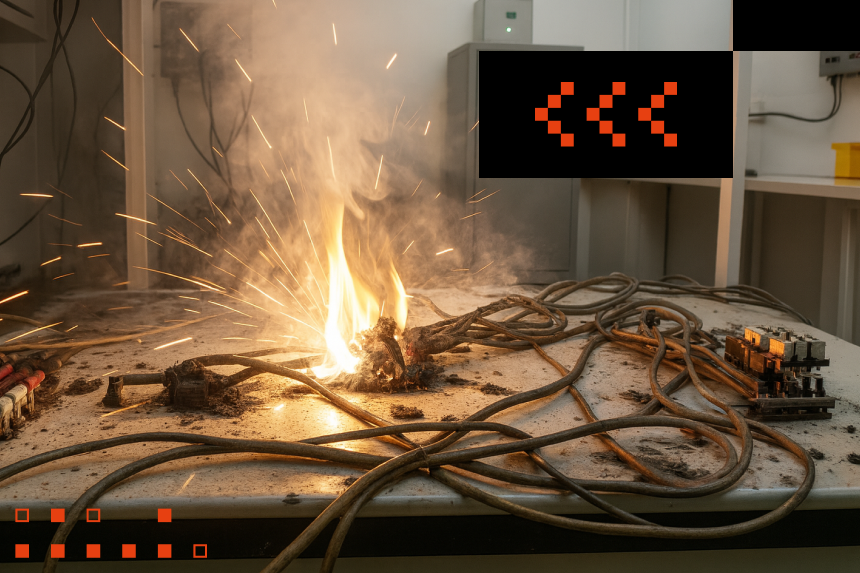
Significance of the B2ca Fire Performance Class in Structured Cabling
The article explains what the B2ca fire reaction class means in practice for structured cabling and the significance of the additional s, d, and a classifications within the CPR system. It discusses the context of the EN 50575 standard, identifies where the use of B2ca is justified and where it may be excessive, and clarifies the differences between fire performance classes in the context of real installation requirements.
3 minute read
- Fiber Optic Cabling
- Structure cabling
Facts and Myths About Ethernet Cables
The foundation of every well-functioning local area network (LAN) is a solid wired infrastructure. Despite the growing popularity of modern wireless technologies such as Wi-Fi 6E, Wi-Fi 7, and 5G, structured cabling remains what ensures stability, high bandwidth, and security.
- Fiber Optic Cabling
- Installer guides
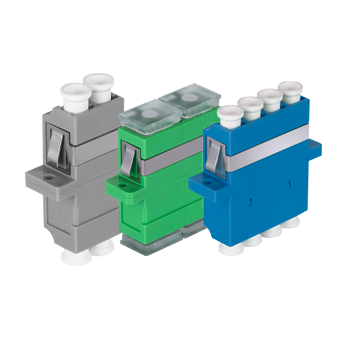
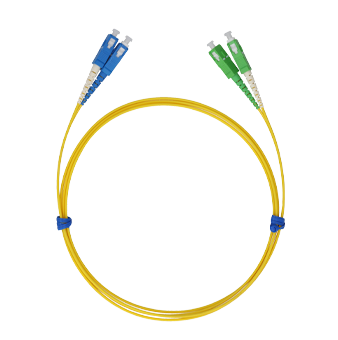
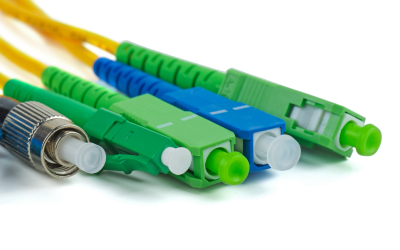
Fiber Optic Connectors: A Revolution in Telecommunications
Three decades ago, transferring a single gigabyte of data took hours, while today it takes just a fraction of a second. This spectacular change is partly due to fiber optic technology and its connectors – small but exact components
2 minute read
- Installer guides
- Structure cabling
B2ca -s1a, d0, a1 Explained: What You Need to Know
CPR classes refer to the reaction to fire and level of smoke emission, both of which are essential for building fire safety. These classifications apply to cables and wires designed for permanent installation in residential, commercial, and industrial buildings.
2 minute read
- Structure cabling
Shielded data cables at home: pros and cons
Unshielded data cables dominate home networks—and for good reason. Shielded cables may seem appealing with their promise of better protection, but in reality, their use at home is often unnecessary. A cable’s performance does not magically improve just because shielding is added.
- Structure cabling
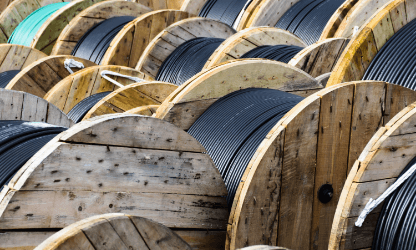
CPR Classification System in Structured Cabling
CPR Directive – requirements for cables and wires used in permanent building installations. Explore the latest information.
- Installer guides
- Structure cabling
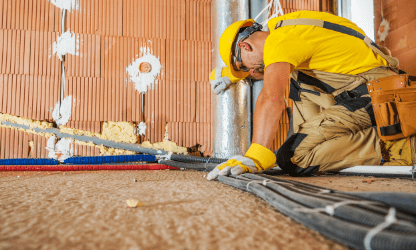
7 facts about outdoor cabling
Discover the key facts about outdoor cabling, specifically twisted-pair cables with a PE jacket.

- Installer guides
- Structure cabling
Differences Between Category 6 and 6A
What is the real difference between Category 6 and Category 6A in structured cabling? Find out what differences arise from installing a structured network based on Category 6 or 6A.