Facts and Myths About Ethernet Cables
The foundation of every well-functioning local area network (LAN) is a solid wired infrastructure. Despite the growing popularity of modern wireless technologies such as Wi-Fi 6E, Wi-Fi 7, and 5G, structured cabling remains the key to ensuring stability, high bandwidth, and secure data transmission. Unfortunately, many misconceptions and myths have grown around network cables, especially the widely used twisted-pair cables, often leading to mistakes during the design and installation stages.
In this article, we’ll clear up the most common doubts and explain what is truly worth knowing about Ethernet cables, their types, properties, and applications.
Is an Ethernet cable always a copper twisted-pair cable?
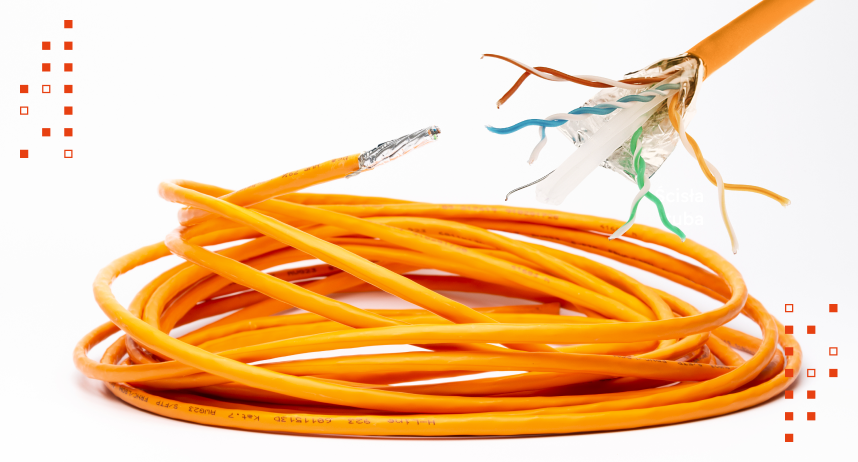
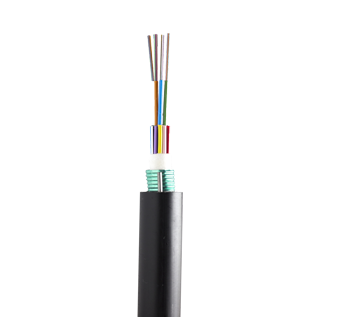
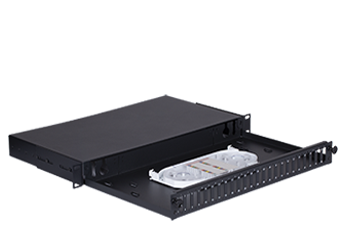
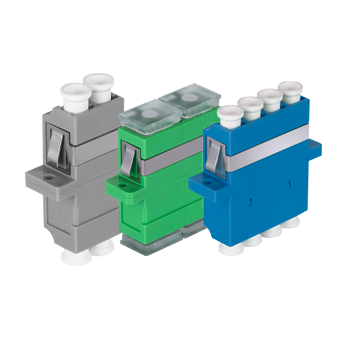
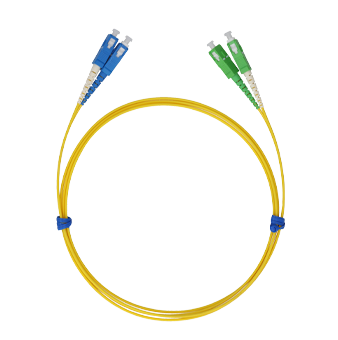
Not exactly. Ethernet is a communication protocol that can be transmitted through various types of cables, not just copper twisted-pair cables (such as Cat5e, Cat6, or Cat6A), but also coaxial and fiber optic cables. When we talk about an “Ethernet cable,” we most often mean twisted-pair cabling, but it’s worth remembering that it is not the only medium capable of carrying Ethernet signals.
Are shielded cables always better than unshielded ones?
This is one of the most common myths. In reality, unshielded twisted-pair (U/UTP) cables have natural resistance to electromagnetic (EMI) and radio frequency interference (RFI) thanks to their design and the twisting of wire pairs. Installing shielded cables (FTP, STP) only makes sense under specific conditions:
- In environments with strong sources of interference, such as industrial facilities, airports, near radar systems, or medical equipment (MRI machines, CT scanners),
- In installations with metal, properly grounded cable pathways (such as ENT conduit systems).
Without a technically justified reason, using shielded cables results in higher costs and greater installation complexity.
Does choosing a higher-category cable guarantee better network quality?
Purchasing Cat6A, Cat7, or even Cat8 cable for a typical home or office installation is often an unnecessary expense. It’s important to consider:
- In 2025, internet connection speeds in home environments rarely exceed 2.5 Gbps, making Cat5e and Cat6 fully sufficient for most applications.
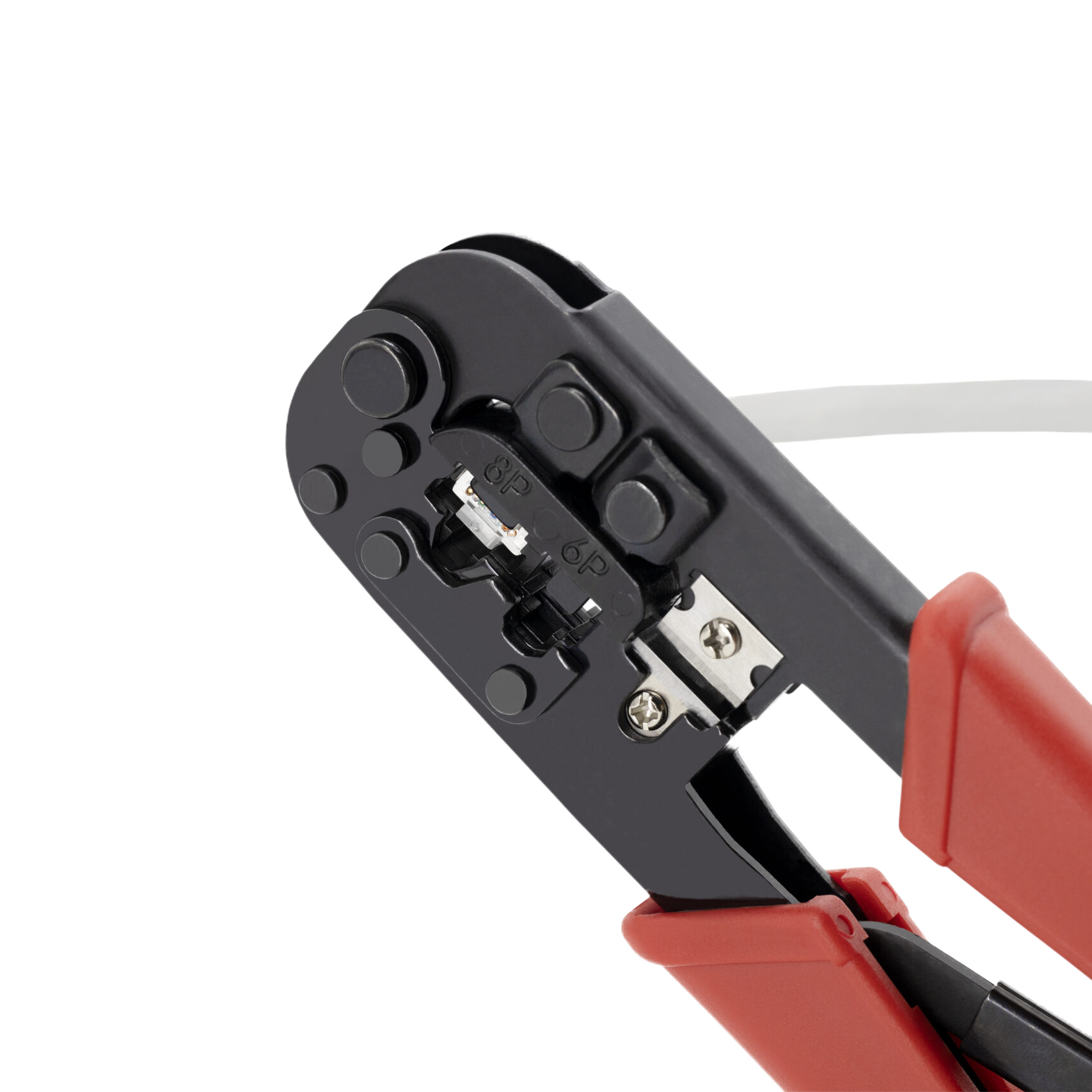
- Installation quality: properly terminated connectors, correct bend radii, and appropriate cable lengths have a far greater impact on performance than the cable category itself.
- Cat8 operates at full speed only up to 30 meters—beyond that distance, its performance is comparable to Cat6A.
Recommendation: In residential environments, Cat6 U/UTP is usually more than sufficient—easy to install, cost-effective, and capable of supporting up to 10 Gbps in many typical use cases.
Is Cat5e cable already outdated?
Not at all. Although Cat5e is an older standard, it still performs very well in many applications. When properly installed, it can easily support 2.5 Gbps (2.5GBASE-T) as well as PoE power delivery up to 100W. Additional advantages include:
- Easier installation — thinner and lighter cable,
- Ideal for installations in hard-to-reach areas,
- More affordable than higher-category cables,
- Reduced bundle weight in cable trays and conduits.
The only real drawback of Cat5e is its more limited heat dissipation capability in large cable bundles during PoE power delivery—but this mainly applies to industrial-scale installations.
Will fiber optics completely replace copper cables?
Fiber optics offer undeniable advantages:
- Immunity to EMI/RFI interference,
- No temperature-related impact on signal quality,
- The ability to transmit data over very long distances and at extremely high speeds.
However, fiber optic cables do not conduct electricity, which means they cannot power PoE devices. While hybrid solutions do exist, they are relatively uncommon. Meanwhile, copper twisted-pair cabling remains the standard in installations such as:
- Where both power and data are needed through a single cable (such as access points, IP cameras, and VoIP devices),
- Where distances are relatively short (up to 100 meters),
- Where installation needs to be affordable, fast, and accessible for both technicians and DIY users.
Many myths have developed around network cabling, often leading to mistakes and unnecessary expenses. The key to success lies in choosing the right type of cable and equipment based on actual needs, while ensuring proper installation and compliance with standards. More is not always better—what truly matters is quality and professional execution.