Shielded data cables at home: pros and cons
Unshielded data cables dominate home networks—and for good reason. Shielded cables may seem appealing with their promise of better protection, but in reality, their use at home is often unnecessary. A cable’s performance does not magically improve just because shielding is added. Bandwidth, frequency, and attenuation still depend on the cable’s design and build quality, not on the presence of shielding.
Shielding may only slightly improve these parameters in specific situations, but in most home installations the difference will be negligible. So when is it actually worth choosing shielded cables for home use?
Shielding – what is it and what does it offer?
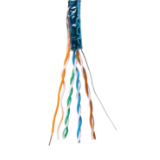
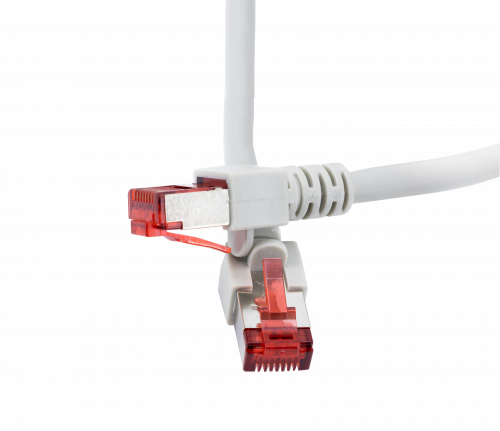
Shielding is typically an aluminum foil surrounding a twisted-pair cable, protecting it against electromagnetic interference (EMI) and electrostatic discharge (ESD).
. These types of interference can come from electrical devices such as motors, transformers, or even lightning discharges. Shielding can also slightly improve cable performance by reducing error rates and improving throughput, but only in specific situations.
It is also worth noting that there are different types of shielding.. You can read more about this here:Fundamentals of structured cabling systems – categories, construction, and applications – securityNET
Disadvantages of shielded cables
Unfortunately, shielded cables also have their drawbacks. Here are the most important ones:
- Higher cost: Shielded cables are significantly more expensive than their unshielded counterparts. The price difference can be substantial, especially for higher-category cables. When working with a limited budget, shielding is not a priority.
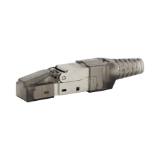
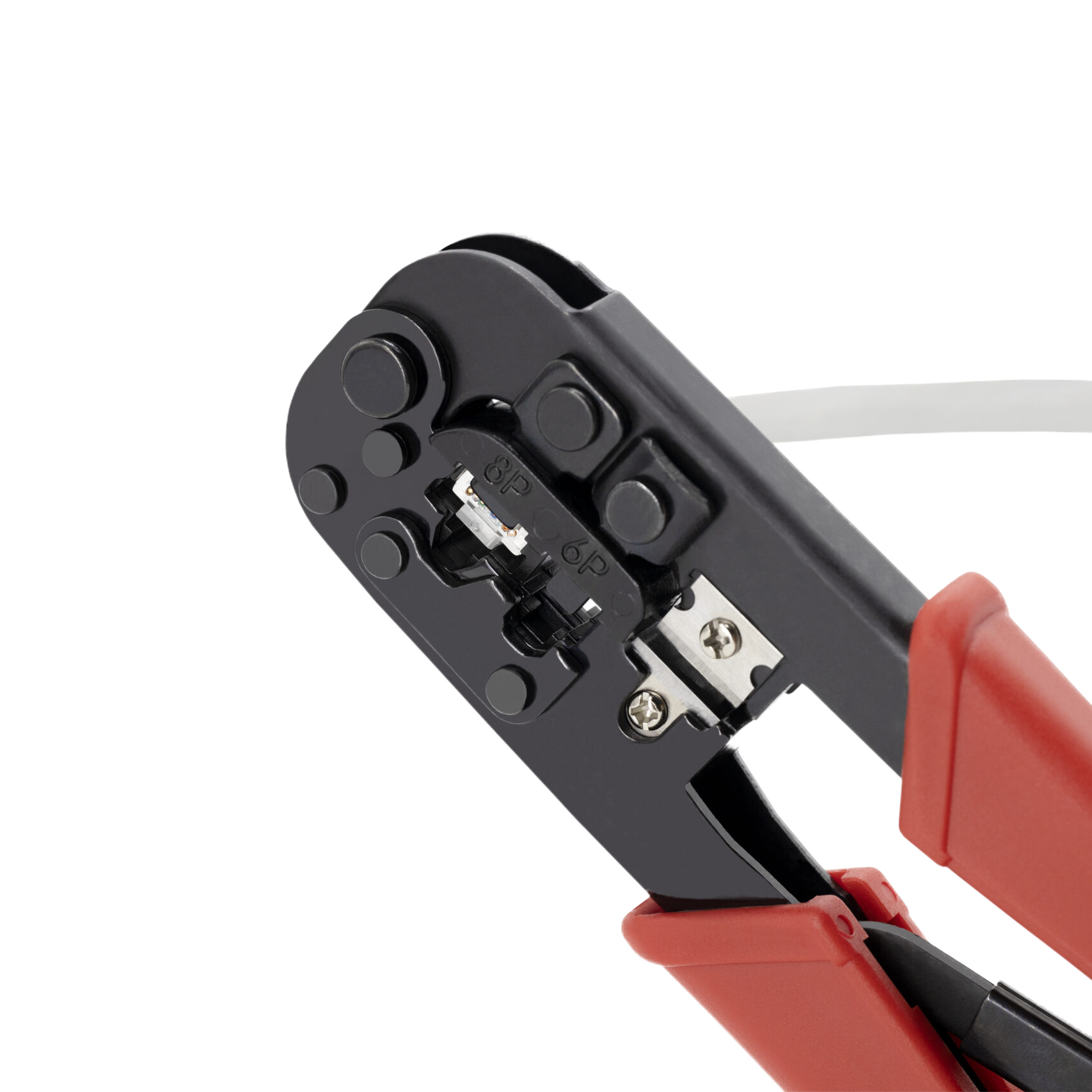
- Installation complexity: Installation requires specialized connectors as well as greater knowledge and skill, which can be challenging for less experienced users. Improper grounding or termination of the shielding can negate its benefits—or even degrade transmission performance.
- Grounding: Effective shielding requires proper grounding, which introduces additional complexity.
Grounding – a key but challenging aspect
In Poland, electrical standards require that all electrical equipment be properly grounded. This also applies to shielded cables. Therefore, it is essential to ensure that the shielded cable is properly grounded in accordance with applicable standards.
If proper grounding of shielded cables is not possible, using them makes little sense and may even degrade network performance. Without grounding, the shield can act like an antenna, picking up and amplifying interference.
Grounding options for network cables include:
1. Connection to the grounding busbar
This is the best grounding method, provided that a grounding busbar is available in the building.
A grounding busbar is a metal rod driven into the ground and connected to the building’s electrical installation.
A grounding wire is used to connect the cable to the grounding busbar.
2.Connection to a grounded device
If there is no grounding busbar in the building, a shielded cable can be connected to a grounded device.
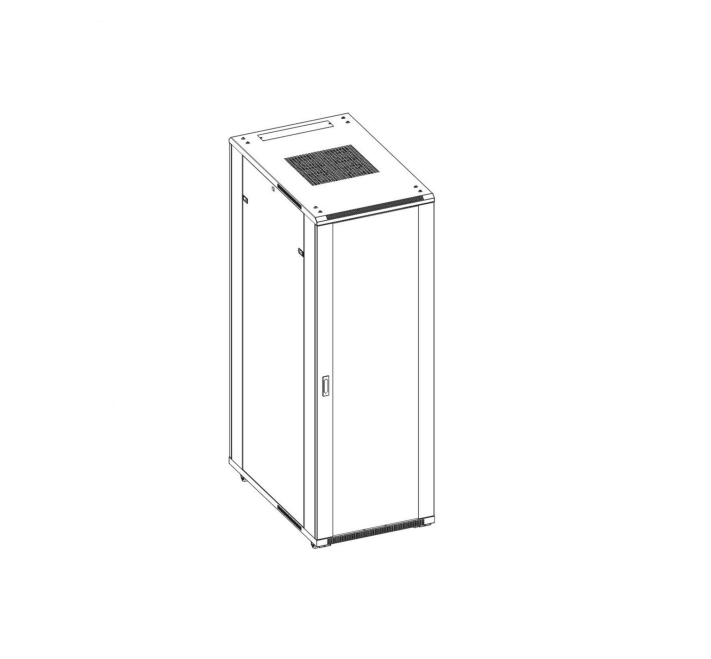
A grounded device can be, for example, a metal rack cabinet.
A grounding wire is used to connect the cable to the device.
3.Use of a grounded data outlet
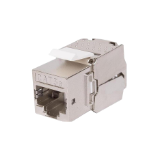
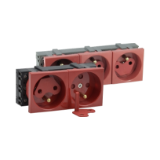
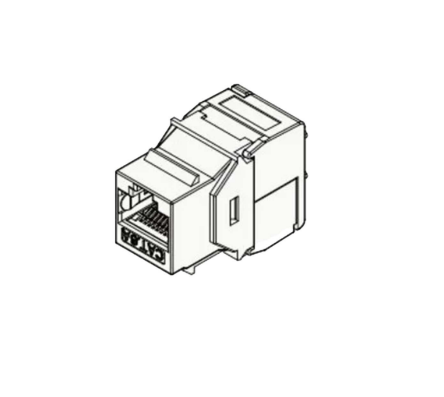
There are dedicated network outlets with grounding that make it easier to properly ground cables.
These outlets have an additional terminal to which the grounding wire is connected.
It is worth noting that grounded outlets are more expensive than standard ones.
Additional grounding guidelines
- The grounding wire should be made of copper and have a cross-section of at least 6 AWG.
- Connections of grounding wires should be made securely and protected against corrosion.
- Grounding connections should be checked regularly.
Is it worth investing in shielded cables?
In most home applications, there is no need to use shielded cables. Unshielded data cables are cheaper, easier to install, and fully sufficient to provide a stable and efficient connection.
Shielded cables may be a good choice in the following situations:
- Presence of strong EMI/ESD interference: If there are many devices in the home generating electromagnetic interference, shielded cables may provide better connection stability.
- Long cable runs: For longer cable lengths (over 50 meters), shielding can help reduce signal loss.
- Professional applications: Shielded cables are often used in mission-critical networks where maximum reliability is required.
Conclusion
Shielded data cables at home are usually an unnecessary expense. In most cases, unshielded cables are fully sufficient. Before choosing a shielded solution, carefully assess your needs and make sure you can ground it properly.