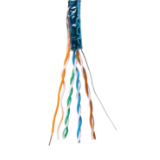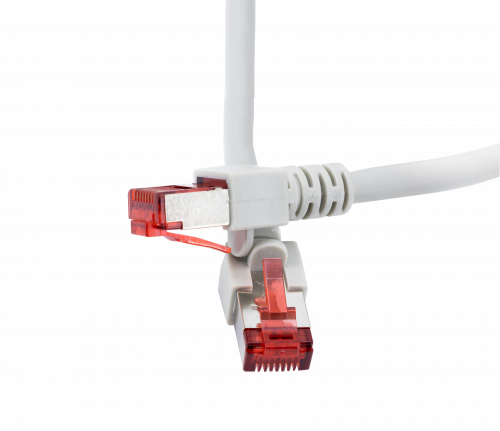
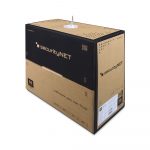
The securityNET installation twisted-pair cable is designed for making connections between multimedia signal distribution points and user connection outlets. F/UTP twisted pair cable (shielded) is an indispensable component for installations in computer networks, telephone systems, CCTV systems, etc., that are exposed to electromagnetic interference. It features an outer PVC sheath that protects it from damage. The cable meets the requirements of structured cabling standards: ISO/IEC 11801, EN 50173, and EIA/TIA 568-C.2.
Application
Cables designed for indoor installations are engineered to operate in stable environmental conditions typical of residential, office, and infrastructure buildings. Their construction, based on conductors made of 100% pure solid copper, ensures stable and consistent transmission performance along the entire cable length. The use of solid copper minimizes signal loss and supports compliance with the requirements of ICT systems. These cables are fully compatible with solutions used in structured cabling systems.
Category
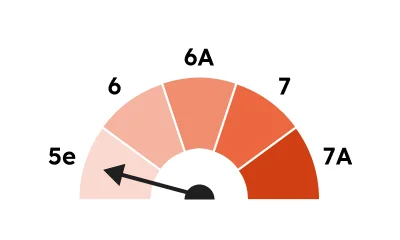
Category 5e, corresponding to Class D, is a structured cabling standard designed for data transmission speeds of up to 1 Gb/s (1000BASE-T). This category typically operates within a frequency range of up to 100 MHz; however, in this solution, the bandwidth has been extended to 350 MHz, providing greater transmission performance margins and more reliable data transmission.
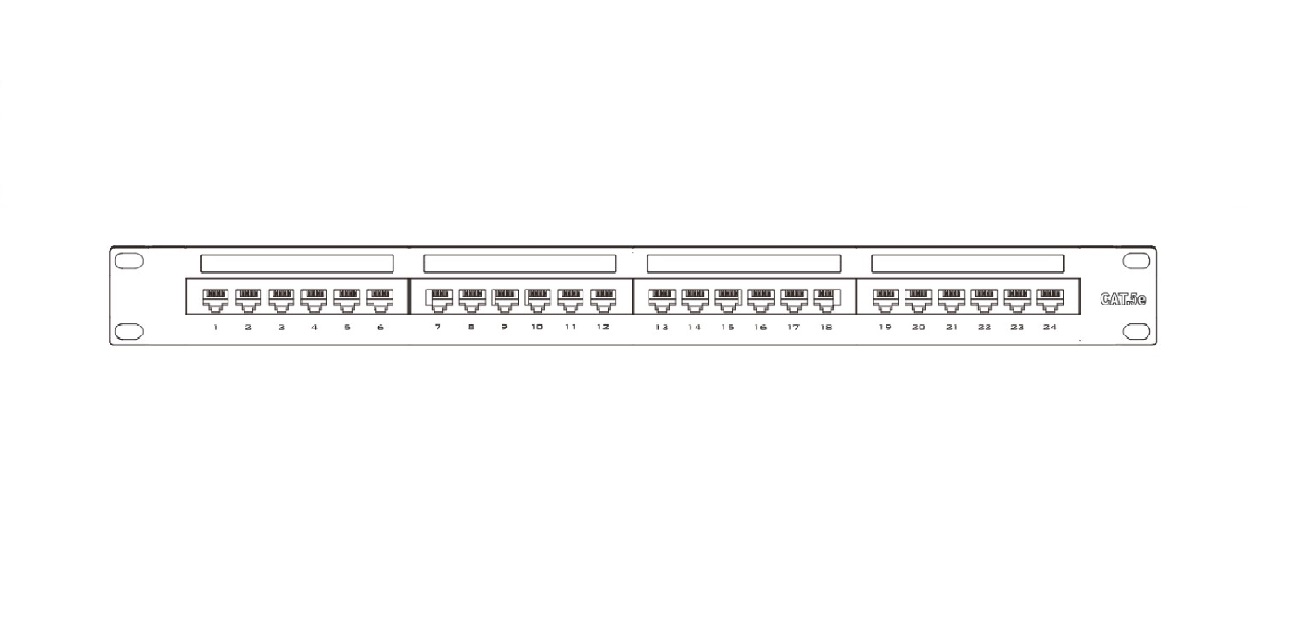
Category 5e cabling is used in LAN and WAN networks, as well as IP surveillance systems, enabling the connection of devices such as switches, routers, servers, and IP cameras. In accordance with structured cabling standards, the maximum permanent link length should not exceed 90 meters, assuming the use of patch cords up to 5 meters in length on both ends of the transmission channel.
Shielding
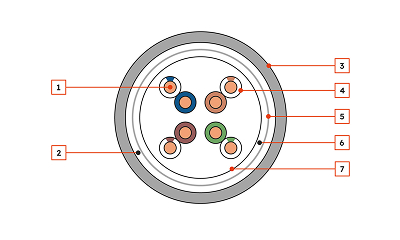
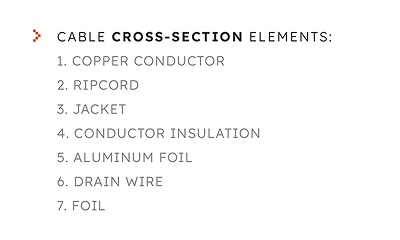
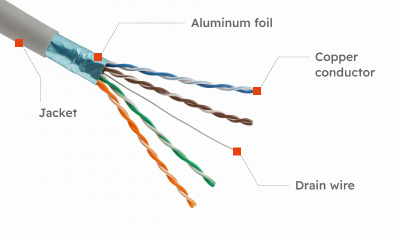
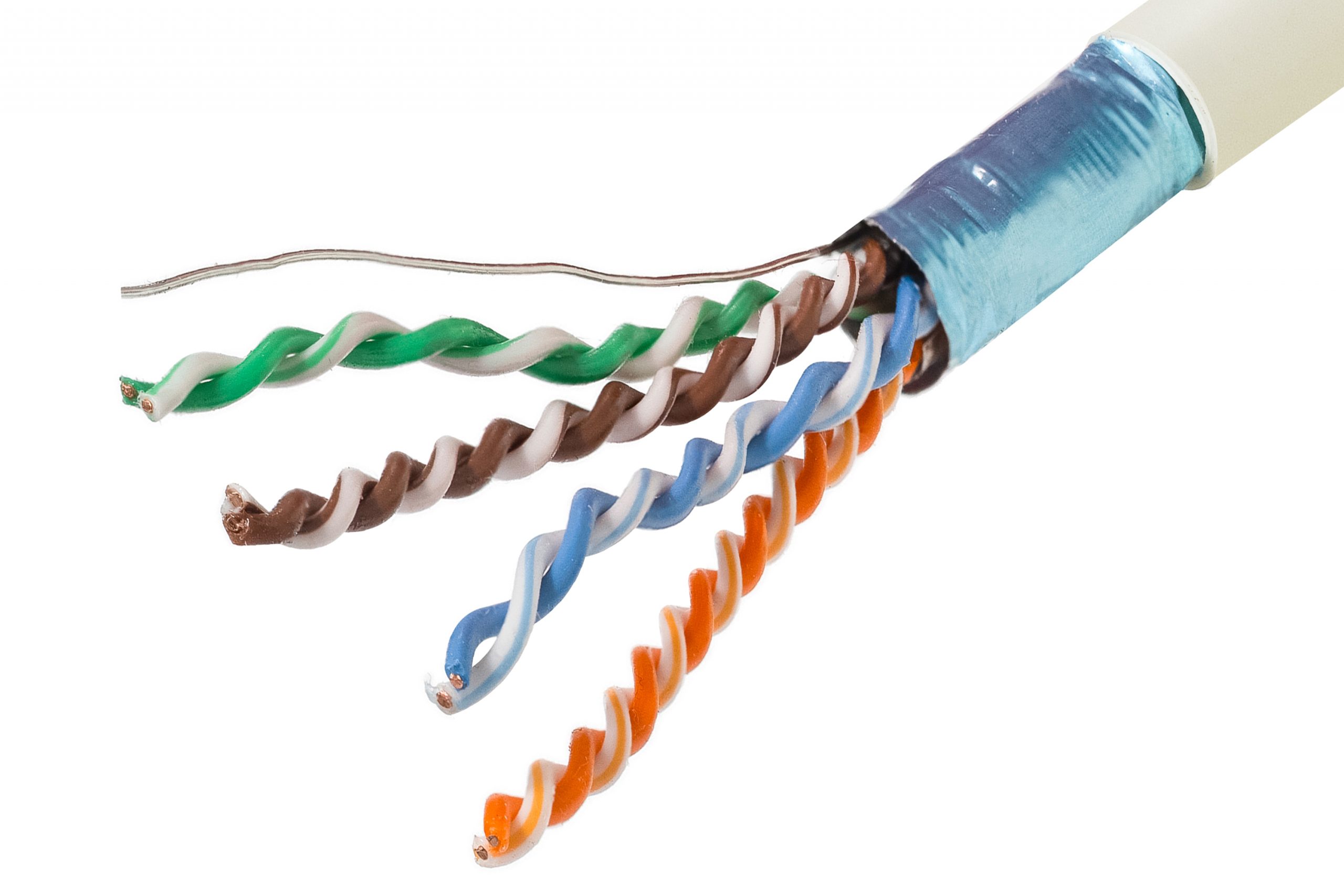
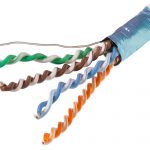
F/UTP twisted pair cable features an overall foil shield surrounding all wire pairs, without individual shielding for each pair. This design reduces the impact of external electromagnetic interference and minimizes cable-generated interference affecting the surrounding environment.
This cable is intended for installations in environments with moderate levels of EMI, where U/UTP may not provide sufficient transmission stability. It requires proper grounding of the shield along the entire transmission path. It is recommended for routing near electrical installations and within denser cable bundles. It performs well in installations with high requirements for transmission stability and performance.
Sheath
The PVC (polyvinyl chloride) sheath is commonly used in twisted pair cables intended for indoor installations. It offers good mechanical resistance and high flexibility, making cable routing easier in cable trays, conduits, and concealed wiring systems.
Due to its material properties and low production cost, PVC remains an economical solution; however, it has significant limitations in terms of fire safety. During combustion, it emits dense smoke and halogen compounds, which can hinder evacuation and cause damage to equipment. For this reason, PVC sheaths are not recommended for installations in areas with elevated fire safety requirements, where LSZH-sheathed cables are preferred.
CPR class
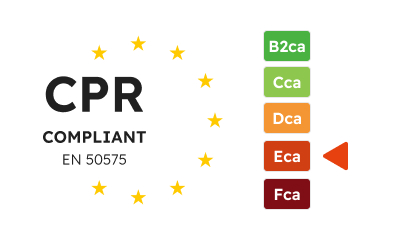
Eca-class cables meet the minimum fire reaction requirements defined by the CPR system. This classification is based solely on flame propagation resistance test results in accordance with EN 60332-1-2, conducted on a single cable. The Eca class does not include additional parameters such as smoke production, flaming droplets, or the acidity of combustion gases.
Eca cables are subject to the AVCP 3 assessment system, which is limited to initial testing carried out by a notified laboratory. No production facility audit or periodic control testing is required.
Cables of this class are used in buildings without elevated fire safety requirements, such as single-family homes, garages, and utility buildings. They are not intended for installation in common areas, evacuation routes, or facilities with high occupant density. In many EU countries, the Eca class represents the minimum acceptable level for permanent building installations.
PoE
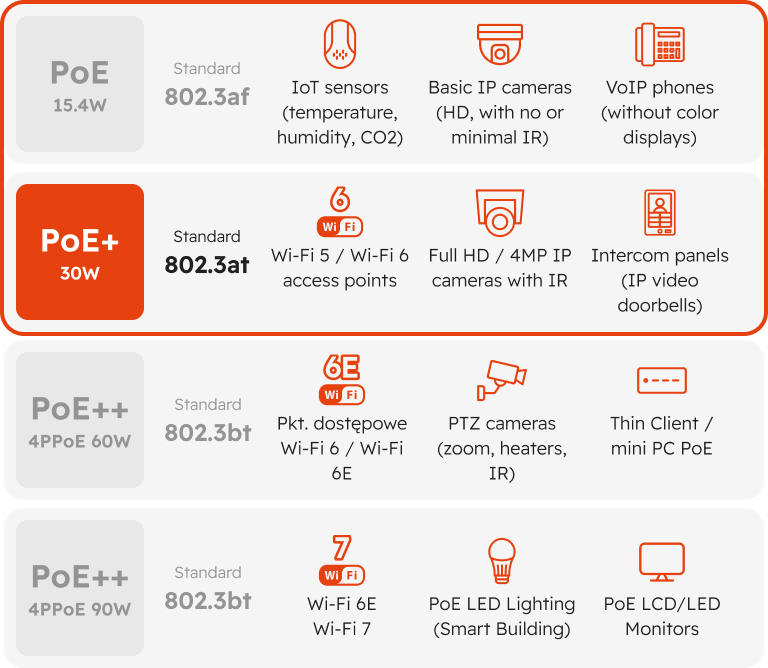
An installation using the PoE+ standard (IEEE 802.3at, Type 2) enables power delivery to network devices with a maximum output of up to 30 W while data transmission is carried over two wire pairs. This solution is widely used in standard LAN installations where moderate power demand is required.
The transmission channel length can reach up to 100 meters, in accordance with structured cabling standards. This standard ensures stable operation with typical cable categories used in indoor installations.
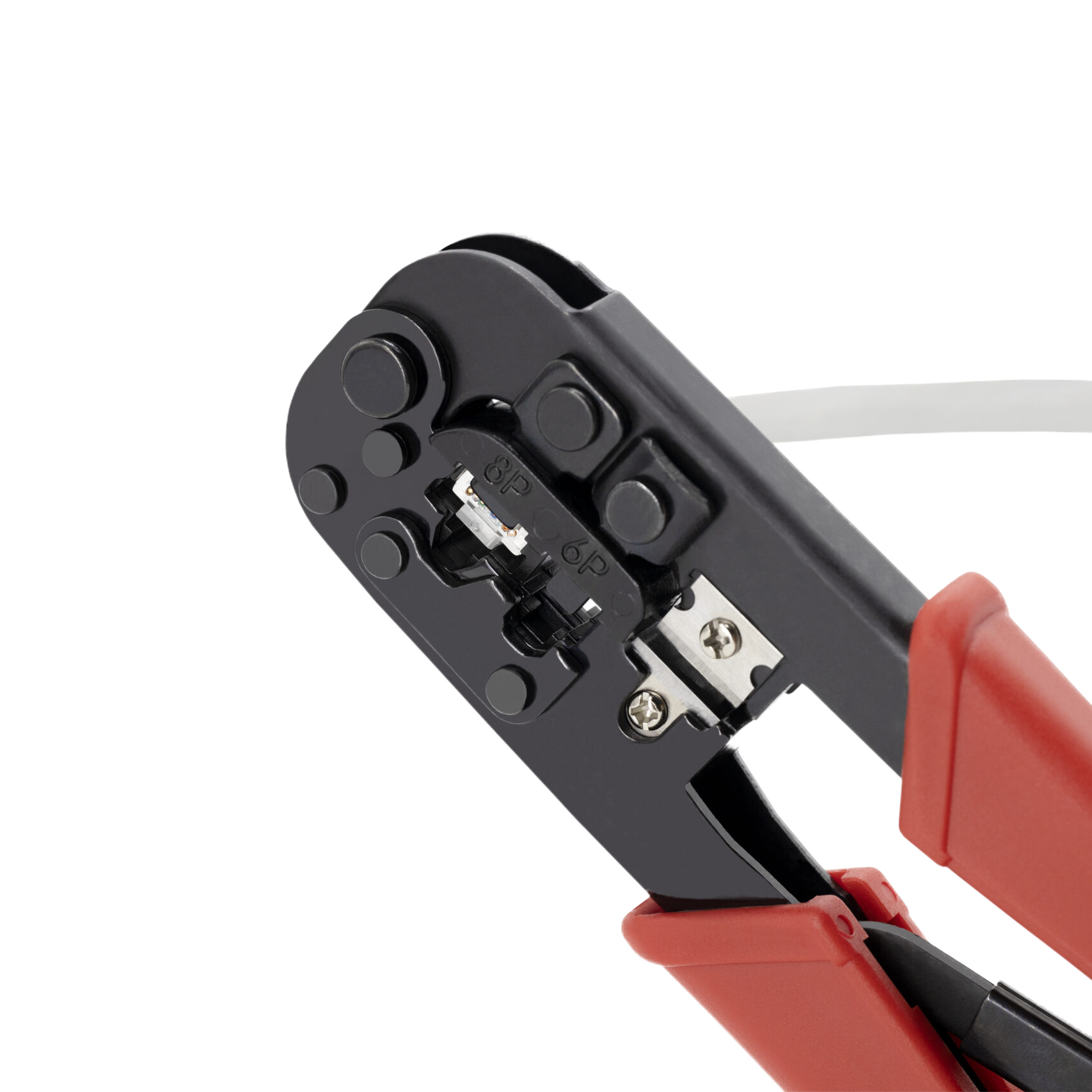
PoE+ is used to power devices such as VoIP phones, Wi-Fi access points operating under the 802.11n standard, CCTV cameras, alarm systems, biometric access control devices, and Video VoIP terminals. It is intended for devices with power consumption of up to 25.5 W, eliminating the need for local power supplies.
Color
Light gray is a practical color for technical installations. It effectively conceals minor dirt, dust, and signs of wear, helping the cabling maintain a clean appearance over time. It is often chosen for cable routes in offices, server rooms, and technical spaces.
Warranty
By choosing securityNET cables, you are investing in solutions designed for long-term and reliable performance in network installations. These products are covered by a 5-year manufacturer’s warranty, confirming the quality of the materials used and the control of the production process.
The warranty covers manufacturing defects and workmanship faults revealed during use in accordance with the intended application and applicable installation standards.
Packaging
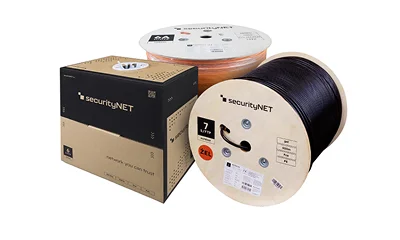
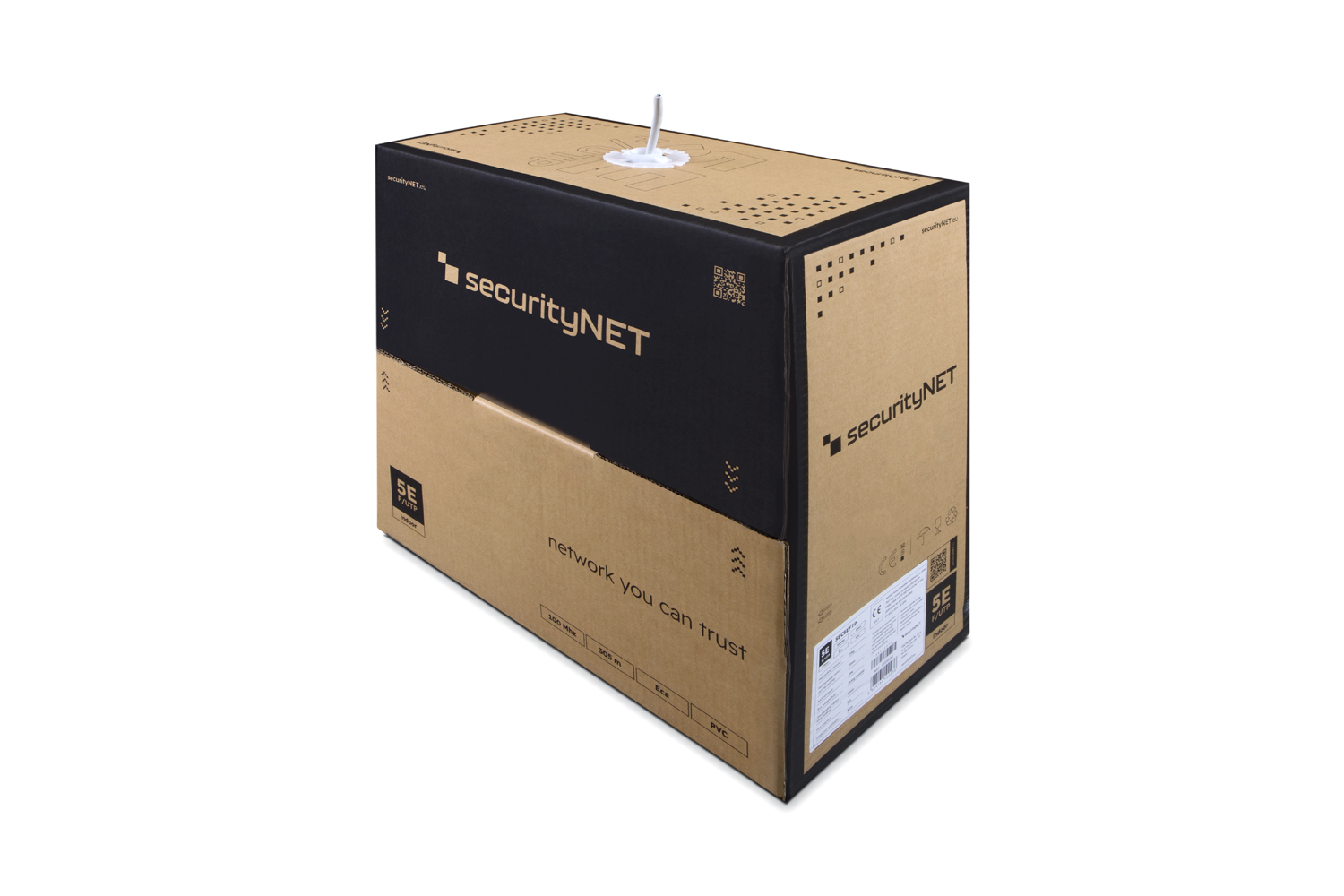
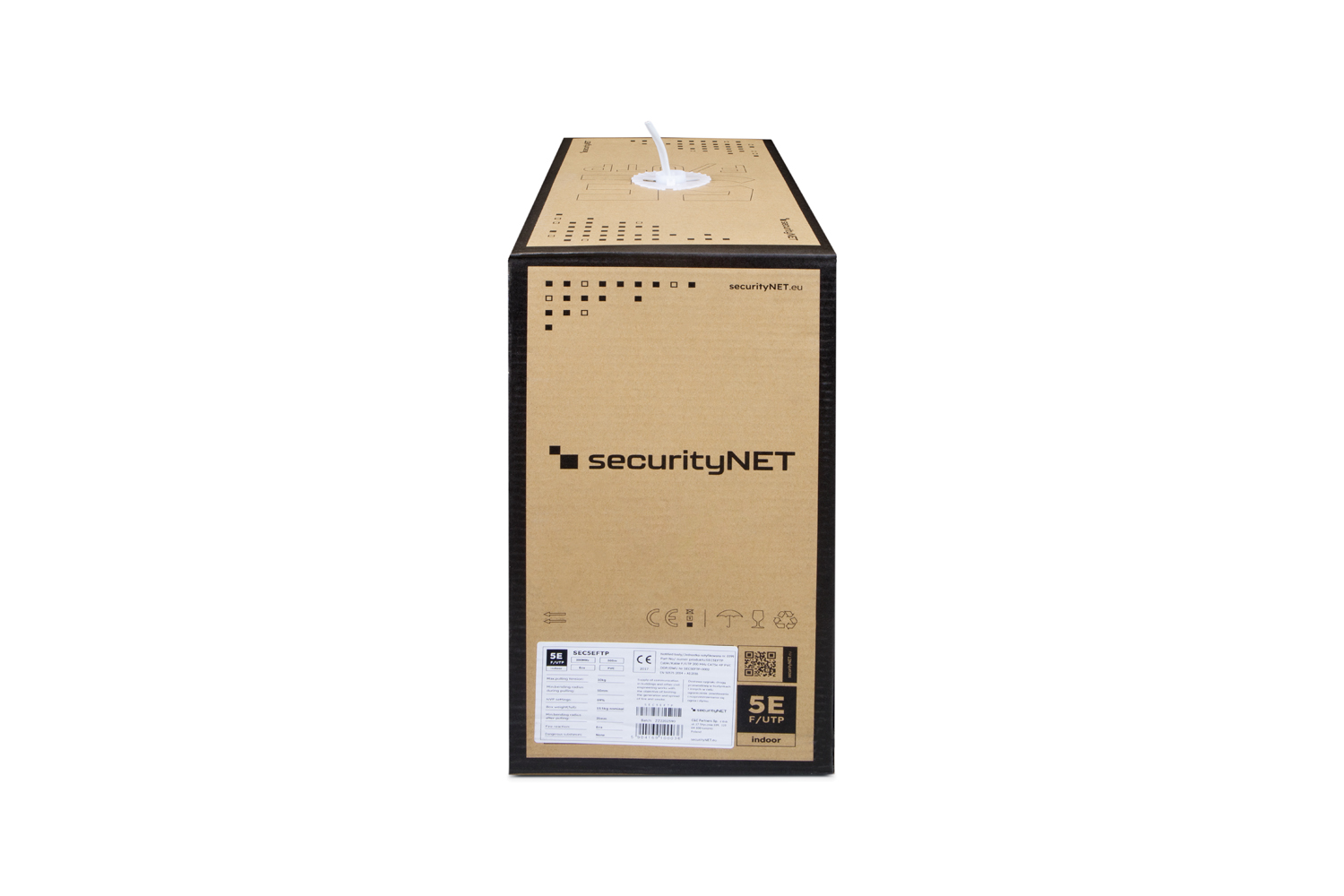
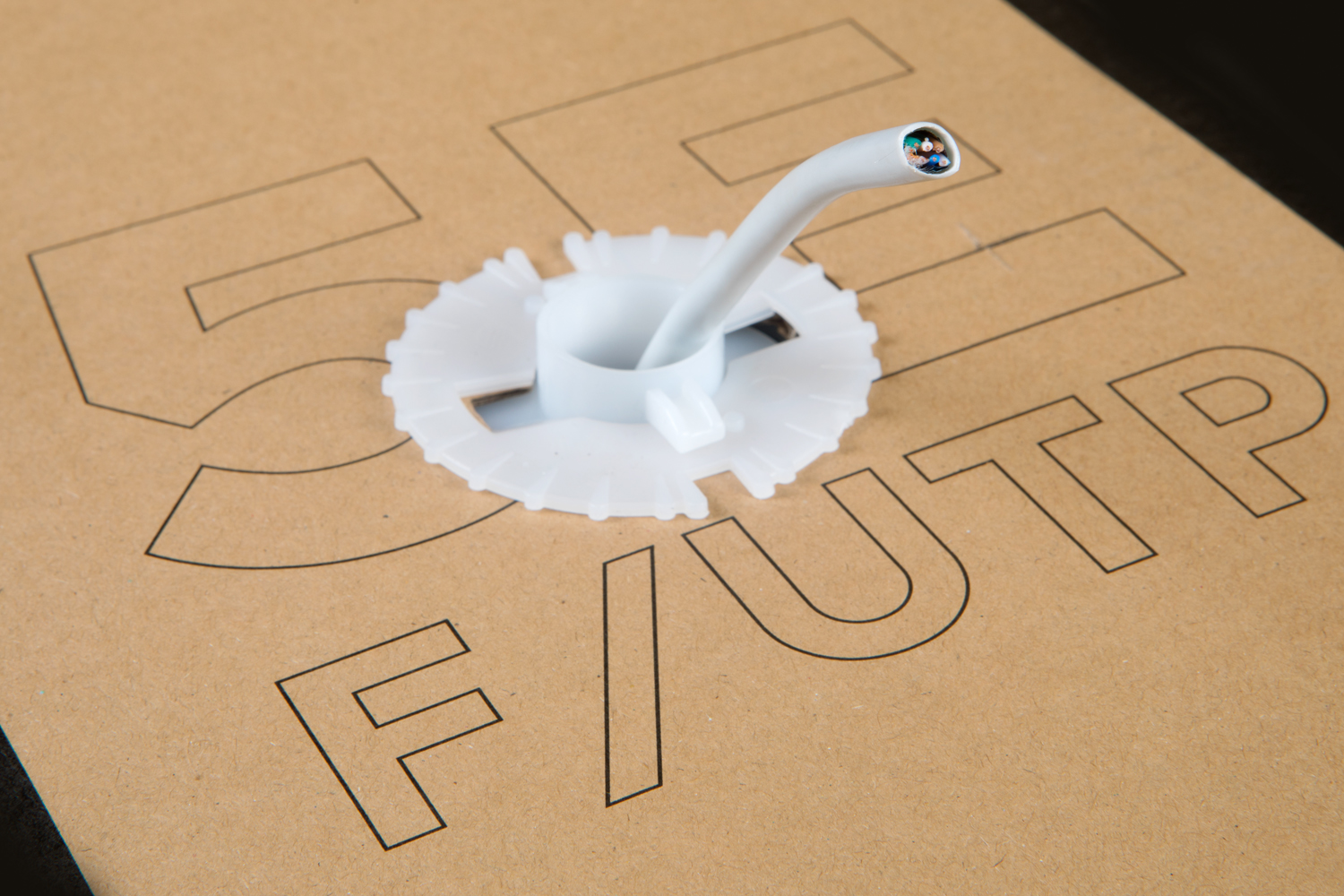
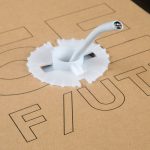
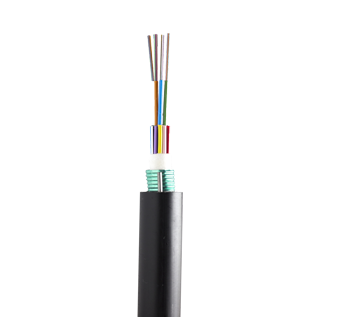
The cable is supplied in a carton box as a 305 m (1000 ft) coil. This is the standard length used in the telecommunication industry, convenient for typical structured cabling installations.
SEC5EFTP datasheet
Declaration of conformity for securityNET cat. 5e cables
DOP_SEC5EFTP-003-01